
I started Embrace Your Grief because I needed to be in it.
I needed a way to process my own grief, and I needed to feel connected to the human spirit, knowing that every one of us will face grief in some form or another. I also knew that by embracing it, I was choosing my own truth. I couldn’t not. I wouldn’t try to subside it or hide it away.
I had tried that before, and I failed.
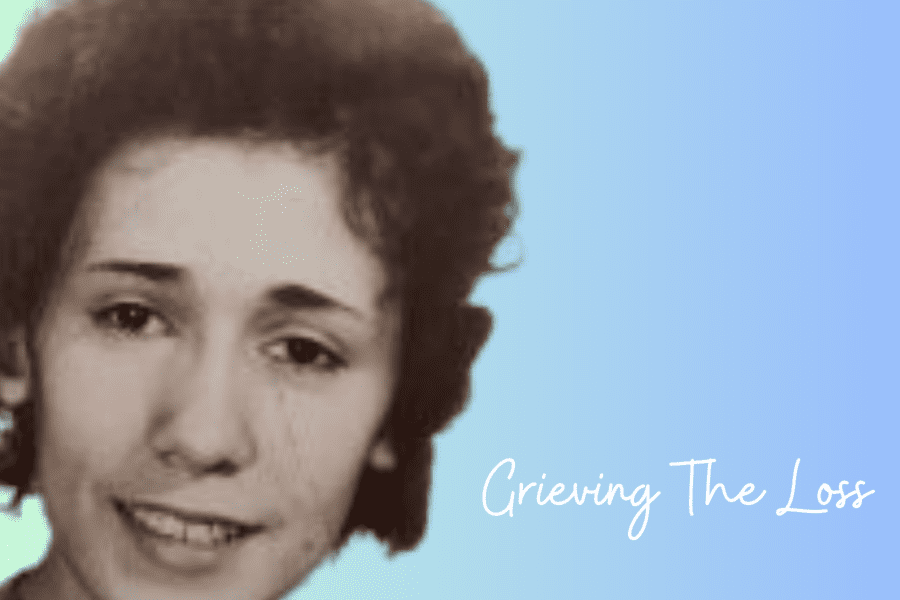
When my grandma passed away, I didn’t understand grief. I didn’t know how to grieve well. I was young, in shock, and completely unprepared for the weight of loss. I moved through those days disconnected from my body and my emotions, not yet equipped with the language or tools to process what I was feeling.
When my grandpa passed away years later in my early twenties, I chose a different kind of disappearance. I shut down. I numbed myself. I let alcohol soften the edges of what I didn’t know how to face. At the time, it felt like survival. In hindsight, it was avoidance.
Neither approach healed me. They only delayed what grief was asking of me.
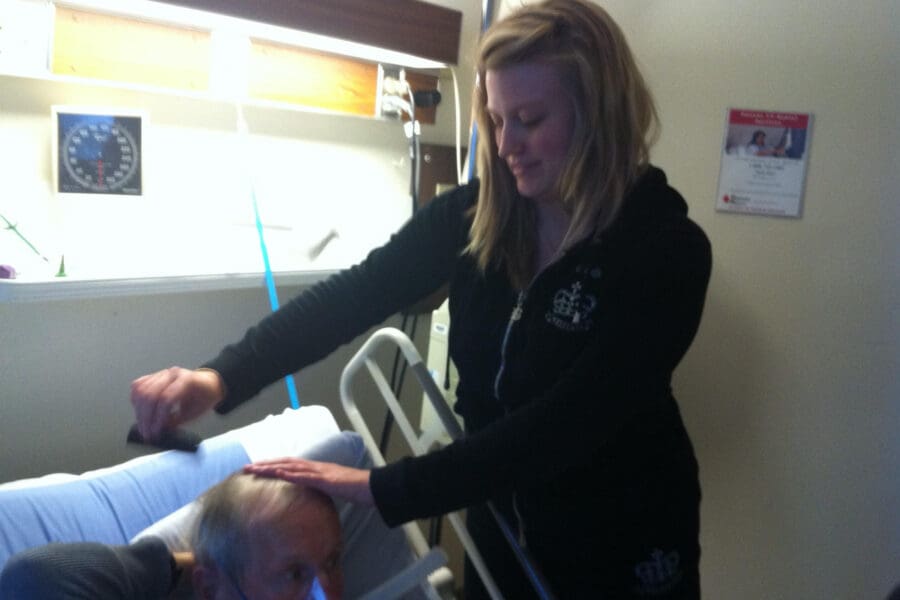
Grief didn’t enter my life in a single moment. It arrived slowly, through the people I love most. I watched my sister navigate her own struggles, which I never had to face in my own youth, learning early how helpless love can sometimes feel. I lived alongside my mother through the unpredictable rise and fall of multiple sclerosis, where stability was never guaranteed. And shortly after the arrival of my first child, at a time when life felt both fragile and full, I watched my father recover from serious medical issues, including multiple strokes.
None of these moments broke me outright. Instead, they accumulated. Quietly. Persistently.
Alongside the grief of anticipation, there was another grief I didn’t recognize at first, the grief of putting my own life on hold. I lived in a constant state of watching, waiting, and bracing, driven by a deep need to make sure everyone else was okay first. My choices, my pace, and sometimes my joy were filtered through that responsibility.
In doing that, I didn’t put my own oxygen mask on first.
At the time, it felt like love. And in many ways, it was. But it came with a cost. I was carrying grief not only for what could be lost, but for the parts of myself I delayed tending to.
What I learned is that when grief is buried, it doesn’t disappear. It settles into the subconscious, waiting to resurface tenfold at a later day. This time, I knew the only way past it was to move through it.
So I did.
I read.
I spoke aloud about my desire to talk openly about both life and death.
I cried.
I celebrated.
And through shared connection, through this blog, I found healing.
Do I still have moments of grief? Yes. I am human.
But the key is that they are moments.
Now I know that I can be present and be there for the people I love. I can navigate the emotions that come with a loved one passing, and I can also continue to walk into my own life in truth, without abandoning myself in the process.
Putting myself on hold is not the way through grief.
Instead, it is learning to trust that both realities can exist at the same time. That I can hold space for others while also tending to myself. That love does not require self-erasure. That grief does not demand I stop living.
When I allow both to exist…when I embrace presence and self-love, I am not fractured.
I am healed. I am whole.